
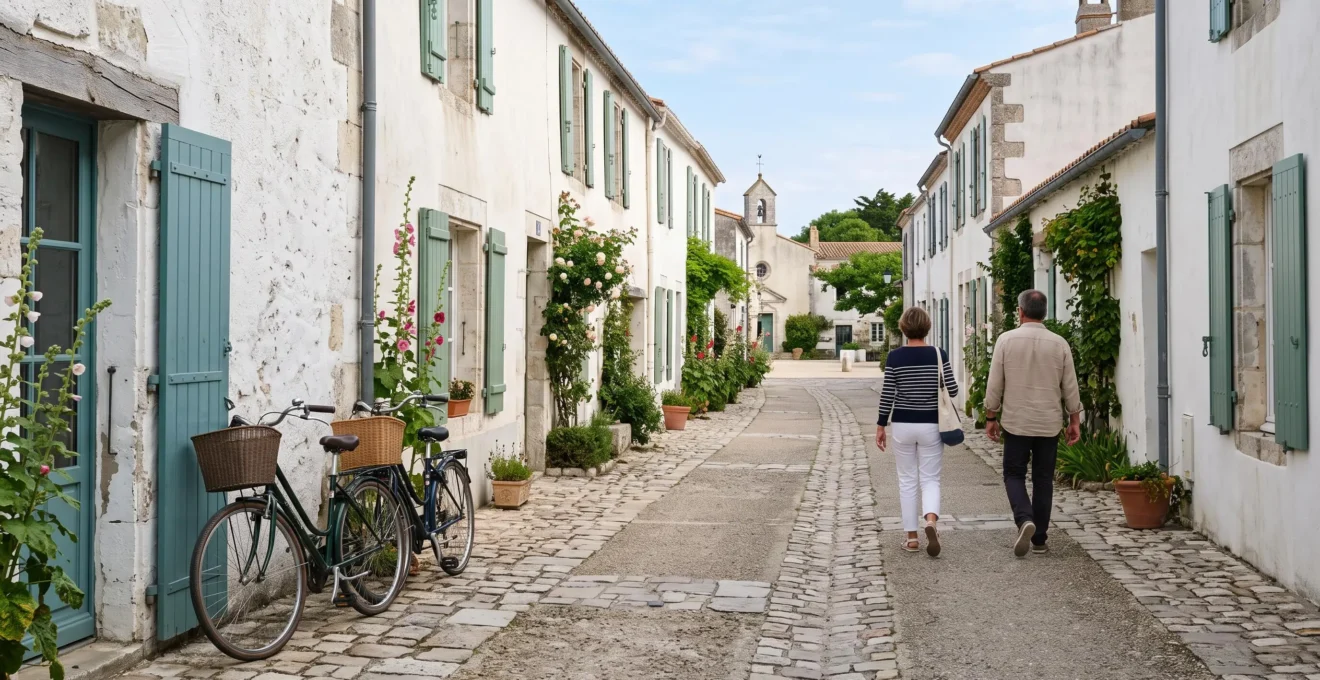
To experience Île de Ré like a local, slow down, explore by bicycle, visit village markets and leave room for the unexpected. This Atlantic island off France’s west coast rewards travellers who take time to appreciate its everyday rhythms rather than racing between attractions. A morning buying fresh produce, an afternoon cycling past vineyards or a quiet walk beside the salt marshes can be just as memorable as visiting its best-known landmarks.
The secret to slow travel here is simple: choose a convenient base, explore a manageable area each day and adapt your plans to the season. You don’t need an elaborate itinerary to enjoy the island’s distinctive way of life.
Start by finding your island rhythm
Île de Ré stretches for more than 30 kilometres, so where you stay shapes how you experience it. Choosing accommodation near the places you want to explore means less time travelling and more time enjoying your surroundings. The island covers approximately 85 square kilometres, making the location of your base an important consideration when planning several days of activities.
The island’s villages each offer something different. Rather than searching for one perfect location, consider the atmosphere you prefer and how you intend to get around.
| Village | Main appeal | Useful consideration |
|---|---|---|
| Saint-Martin-de-Ré | Historic streets and harbour atmosphere | Ideal for wandering through the old town and enjoying waterside cafés |
| La Flotte | Traditional market and village setting | Appealing for leisurely mornings centred on local food |
| Ars-en-Ré | Distinctive village character and nearby marshes | A practical starting point for exploring northern landscapes |
| Loix | Smaller village atmosphere and surrounding salt marshes | Suited to travellers seeking a quieter daily routine |
Once you’ve settled in, resist the temptation to plan every hour. Begin with a walk through your village, notice which shops and markets are open, and let the day develop naturally. Spending several nights in one place gives you more opportunities to become familiar with its surroundings.
Explore by bicycle, then slow down on foot
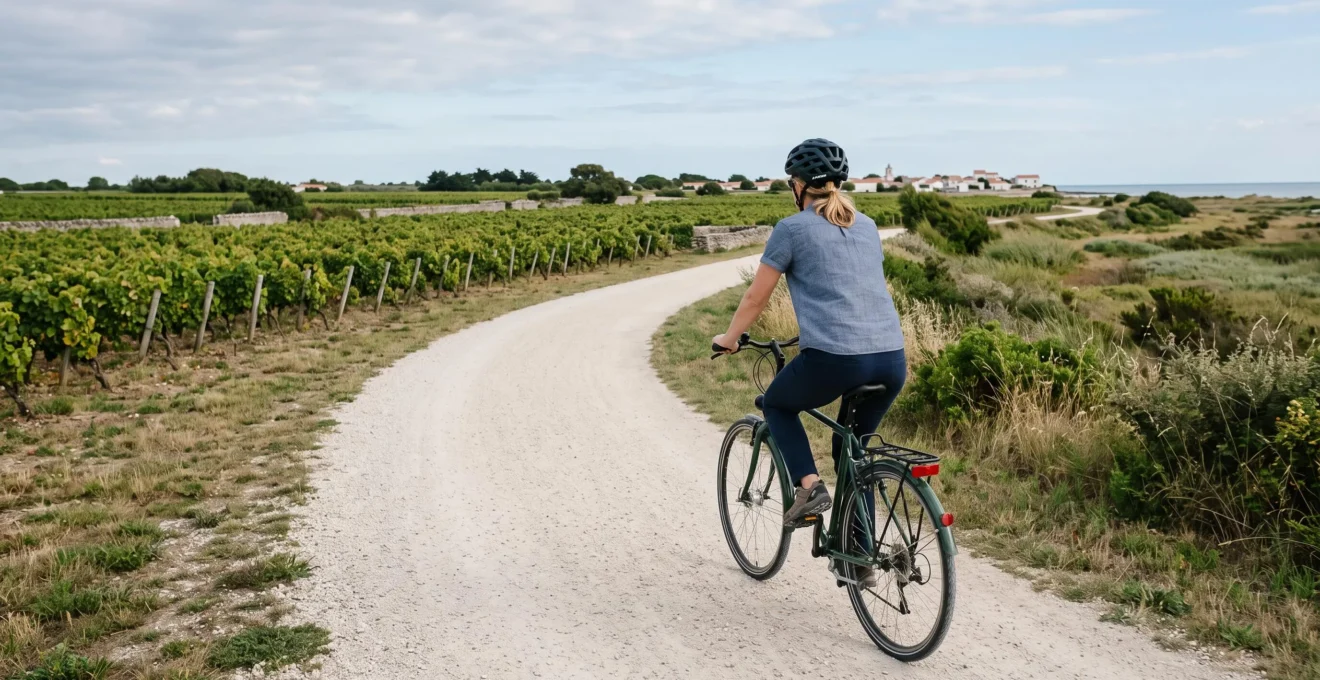
Cycling is one of the most enjoyable ways to discover Île de Ré. According to the island’s tourist office, its network includes 138 kilometres of cycle paths, linking villages with vineyards, coastal scenery and salt-marsh landscapes.
That figure describes the overall network, not a route you need to complete. Choose a comfortable distance based on your fitness, the weather and the places you want to visit. A short ride with several stops can reveal more than an ambitious circuit completed in a hurry.
Before setting out, consult a current cycling map, check your bicycle and carry water. Follow road signs and respect restrictions in village centres, particularly where pedestrians share narrow streets. The tourist office advises cyclists to avoid the departmental road reserved for motorised traffic. In many village centres, cyclists are also required to dismount and walk between April and September. Follow local signs and check the applicable restrictions before riding through a settlement. Within individual villages, walking is often the easiest way to explore historic lanes and small squares.
The official cycling guidance also describes routes that help put the island’s network into perspective. A forest route covers approximately 10 kilometres and takes around 1 hour 45 minutes, while a salt-marsh route covers approximately 20 kilometres and takes between two and three hours. These are indicative planning references rather than guaranteed journey times. Your pace, stops and conditions will affect the time needed, so consult the current route map before setting out.
Getting around without a car: Île de Ré has 138 km of cycle paths. The tourist office identifies bus route 150 between La Rochelle and Les Portes-en-Ré throughout the year, alongside free electric shuttles that operate seasonally on the island. Check current routes, timetables and operating dates before planning a car-free stay.
Exploring by bicycle leaves room for the small stops that give the island its character. A French coastal travel account published by The Guardian in 2022 describes cycling through Île de Ré’s pine forests, stopping at harbours and enjoying an unhurried lunch in Saint-Martin-de-Ré. It illustrates a possible travel rhythm rather than serving as a current transport guide.
Make the morning market part of your day
A market morning offers an easy introduction to the island’s food traditions. Instead of rushing through the stalls, take time to see what’s in season, compare local produce and speak with sellers when they’re available.
Île de Ré is associated with oysters, sea salt, seasonal potatoes and samphire. These products reflect different parts of its coastal environment, from oyster farming to salt production and agriculture. A simple picnic assembled from market purchases can become a satisfying part of the day’s exploration.
Markets vary between villages. La Flotte is known for its traditional setting, Le Bois-Plage-en-Ré has a larger market, while Loix offers a smaller village atmosphere. Choose according to where you’re staying rather than travelling across the island simply to visit the biggest market.
Opening days and stall availability change with the season, so check the local schedule before setting off. If you’re buying directly from a producer, ask about an unfamiliar product or how it is traditionally prepared. A short conversation may help you understand the island’s food culture better than a hurried restaurant stop.
For a relaxed morning, combine one market visit with a walk through the surrounding streets and an unhurried lunch. There’s no need to visit several markets in a single day.
Discover the salt marshes and quieter landscapes
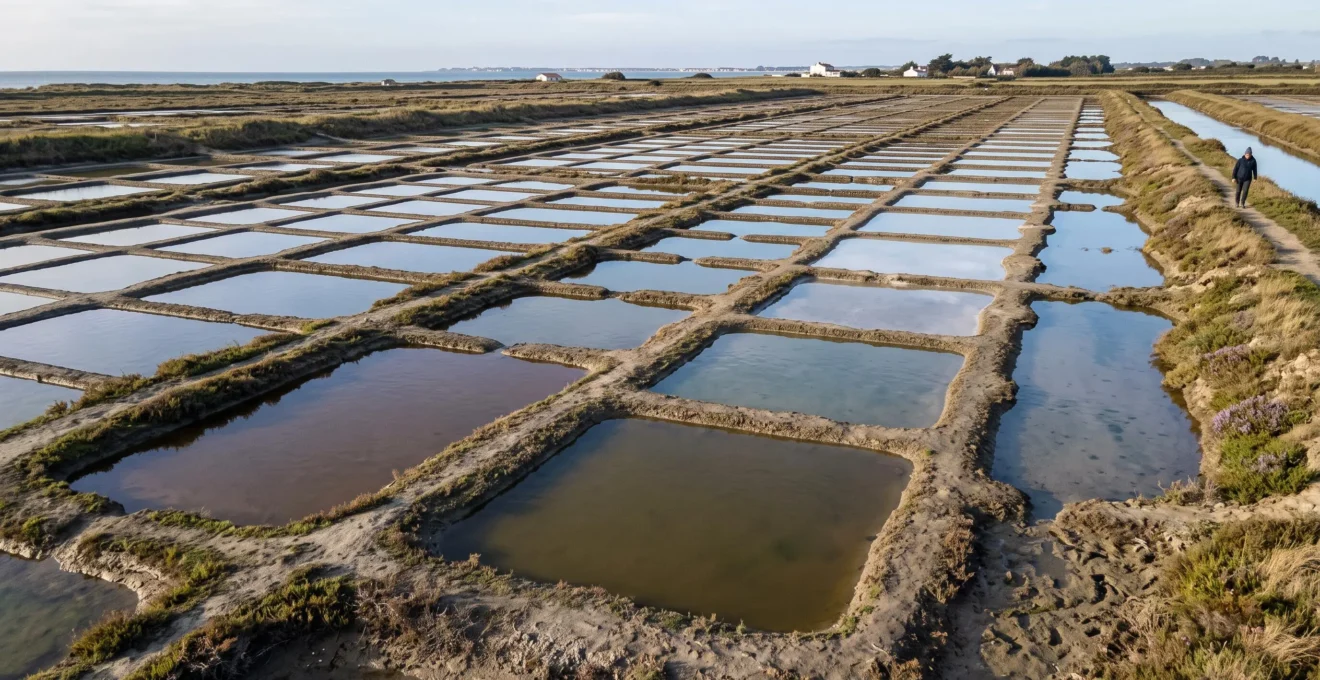
Beyond its beaches and harbours, Île de Ré has a distinctive landscape shaped by salt production. Shallow basins, narrow earthen banks and low coastal vegetation create a setting that feels very different from a conventional seaside resort.
In the north, areas around Ars-en-Ré and Loix provide opportunities to appreciate these working landscapes. The Lilleau des Niges nature reserve is also associated with birdwatching. Observing the surroundings quietly can reveal how the island’s natural environments and traditional activities exist alongside one another.
Choose established walking or cycling routes and respect signs marking protected areas or working salt beds. Keep your distance from wildlife and avoid entering spaces that aren’t open to visitors. A pair of binoculars can be useful for watching birds without approaching them.
These landscapes reward patience. Rather than moving quickly from viewpoint to viewpoint, pause to notice the changing light, vegetation and arrangement of the salt basins. Even a short visit can offer a clearer sense of the island’s maritime character.
Choose the season that suits your pace
The time of year influences both the atmosphere and practicalities of a slow holiday on Île de Ré.
Summer brings a lively atmosphere, with more visitors enjoying beaches, markets and village restaurants. It can be rewarding if you enjoy activity, although popular places may feel busy.
June and September are worth considering if you prefer a balance between a holiday atmosphere and a more flexible pace. Conditions and visitor numbers still vary, so quieter experiences cannot be guaranteed.
Autumn and winter can offer a more subdued setting, but some markets, businesses and transport services operate less frequently. Check accommodation, food options and local connections before relying on them.
Seasonality changes what a slow holiday can feel like, especially when markets and transport options operate on different schedules. The 2026 Île de Ré guide from Lonely Planet offers a broader visitor perspective on exploring the island. Use that perspective alongside current local opening information rather than assuming the same facilities are available year-round.
A relaxed three-day Île de Ré itinerary
Three days can provide a useful introduction to slow travel, although a longer stay offers more flexibility. Treat this itinerary as a starting point, adapting the order to your accommodation, market schedules and weather.
- Day 1 — Discover your village. Settle in, explore the streets on foot and visit the local market if it’s open. Spend the afternoon enjoying the harbour, a café or a nearby beach without rushing elsewhere.
- Day 2 — Follow a gentle cycling route. Choose a comfortable ride through nearby vineyards, forest or coastal surroundings. Stop for lunch or a picnic, and leave time for a spontaneous detour.
- Day 3 — Experience the northern landscapes. Explore Ars-en-Ré, Loix or another suitable starting point before following an authorised route near the salt marshes. Take time to observe the environment and respect protected areas.
The aim isn’t to complete every stop. If a market is closed, the wind makes cycling uncomfortable or you find somewhere you’d like to linger, adjust your plans. Flexibility is part of the experience.
- Choose a village base close to your preferred activities.
- Check your chosen market’s opening days.
- Select cycling routes suited to your ability and equipment.
- Confirm current bus and seasonal shuttle services.
- Leave room for weather changes and spontaneous stops.
- Respect access rules in natural and protected areas.
Experiencing Île de Ré like a local doesn’t mean discovering a secret itinerary. It means paying attention to ordinary details: a morning market, a quiet cycling path, the changing light across the marshes and the pleasure of staying a little longer in one place. Choose a manageable daily radius, follow the island’s seasonal rhythms and leave enough room for unplanned discoveries. That balance makes it possible to experience more of the island without trying to see everything.